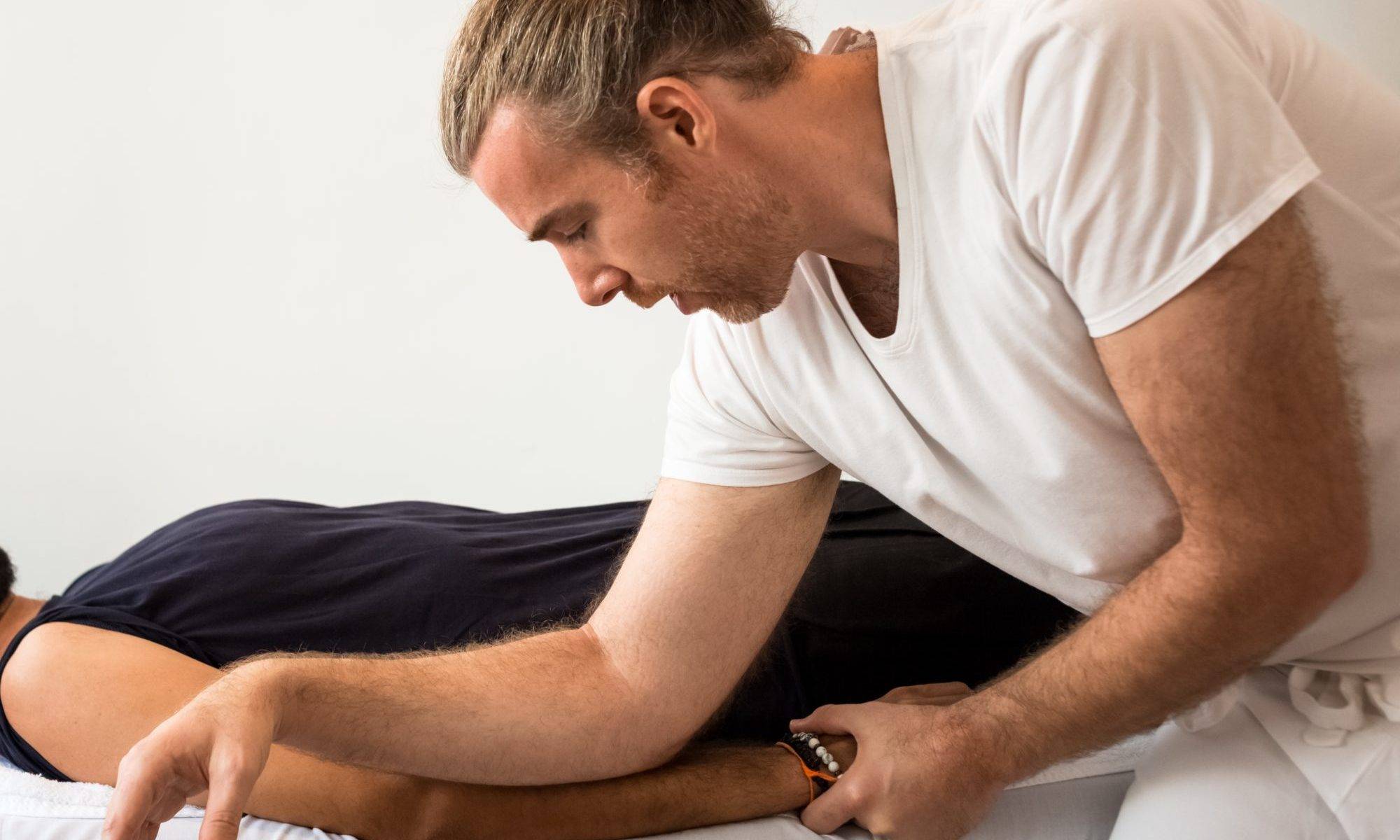
Yes, bodywork can genuinely improve sleep quality and speed up physical recovery. By working directly with the nervous system, fascia, and soft tissue, holistic bodywork therapies help shift the body out of a chronic stress state and into the kind of deep relaxation where real healing happens. For many people, this is the missing piece that sleep tips and over-the-counter aids simply cannot provide.
If you have tried every sleep strategy out there and still wake up exhausted, or if your body feels stuck in recovery mode long after an injury or period of burnout, the answer may not be in your evening routine. It may be in your body itself.
The Link Between the Nervous System and Sleep Quality
Nervous system regulation is one of the most important and least discussed factors in sleep health. When the nervous system is dysregulated, meaning it stays locked in a state of alertness even when no real threat is present, the body cannot fully transition into the deep, restorative stages of sleep. This is not a willpower problem. It is a physiological one.
Chronic tension, whether it comes from physical strain, emotional stress, or unresolved trauma, keeps the body’s stress response quietly activated. The brain reads this as a sign that it is not safe to fully let go. As a result, sleep becomes light, fragmented, or elusive. People often describe lying in bed feeling physically tired but mentally wired, or waking at 3 a.m. with a racing heart for no clear reason. These are signs that the body has not made the shift into parasympathetic dominance, the state the nervous system needs to be in for restorative sleep to occur.
Research consistently shows that the parasympathetic nervous system, often called the “rest-and-digest” system, plays a central role in sleep onset and sleep maintenance. When the body is stuck in sympathetic activation, cortisol and adrenaline levels remain elevated, heart rate variability decreases, and the brain struggles to move through healthy sleep cycles. Addressing the root of this dysregulation is what separates meaningful sleep support from short-term fixes.
Why Conventional Sleep Aids Often Fall Short
Sleep medications and standard hygiene advice can be helpful starting points, but they rarely address the underlying patterns that cause poor sleep in the first place. For someone managing burnout, chronic pain, or trauma, taking a melatonin supplement or setting a consistent bedtime is a bit like putting a fan in front of a fire. It may feel cooler for a moment, but the source of the heat is still there.
Prescription sleep aids work by sedating the nervous system rather than regulating it. This means the body gets unconscious rest but not necessarily the kind of deep, organized sleep where tissue repair, memory consolidation, and nervous system recovery actually take place. Over time, reliance on these aids can blunt the body’s natural ability to self-regulate, making the underlying problem harder to resolve. For people with trauma histories or high levels of chronic stress, bodywork offers something fundamentally different: a way to work with the body’s own regulatory systems rather than override them.
How Holistic Bodywork Therapies Promote Deeper Sleep
Holistic bodywork therapies work by creating the physical and neurological conditions the body needs to move from sympathetic to parasympathetic dominance. Rather than targeting sleep as an isolated symptom, these approaches treat the whole body as a connected system where tension, structure, organ function, and nervous system tone all influence each other.
Each therapy modality does this in a slightly different way, but they share a common goal: helping the body remember what it feels like to feel safe, supported, and at ease. When that sense of ease becomes more accessible, sleep tends to follow naturally.
At Rolfing In Boston, sleep is not treated as a single symptom to be managed. It is understood as a reflection of the whole body’s state. When clients come in struggling with exhaustion and disrupted rest, the work is not just about relaxing muscles for an evening. It is about changing the conditions in the body that make deep sleep possible night after night.
Rolfing and Structural Integration for Sleep Support
Rolfing Structural Integration addresses the fascial system, the web of connective tissue that surrounds and connects every muscle, bone, and organ in the body. When fascia becomes tight, thickened, or restricted due to injury, poor posture, or accumulated stress, it creates a kind of background noise in the nervous system. The body is constantly processing these signals, even during sleep, which can result in restlessness, physical discomfort, and the inability to find a comfortable position for more than a few minutes.
By working systematically through the fascial layers, Rolfing helps restore length, ease, and balance throughout the body’s structure. Clients often report that after a series of sessions they simply feel more comfortable in their own bodies, including at night. Improved postural alignment reduces the muscular effort required just to hold the body upright, which means less physical strain accumulates throughout the day and less of it needs to be processed during sleep. For people who regularly wake with stiffness, tension headaches, or a feeling that sleep has not refreshed them, structural work can make a meaningful difference.
Craniosacral Therapy for Nervous System Calm
Craniosacral therapy uses extremely light, precise touch to release restrictions in the craniosacral system, which includes the membranes and cerebrospinal fluid surrounding the brain and spinal cord. Because this system is in direct relationship with the central nervous system, even subtle restrictions can influence how the brain and body regulate stress, arousal, and sleep cycles.
The touch used in craniosacral therapy is gentle enough that many people are surprised to learn how deeply it works. Sessions often produce a profound sense of stillness and release that clients describe as unlike anything they have felt before, somewhere between deep sleep and a meditative state. For people whose insomnia is driven by anxiety, hypervigilance, or a nervous system that simply will not quiet down, craniosacral therapy offers a path toward the kind of calm that makes sleep feel possible again. It is also particularly well-suited for people recovering from concussions, where sleep disturbances are common and the brain’s regulatory systems need careful, non-invasive support.
Somatic Therapy and Releasing Sleep-Disrupting Tension
Somatic therapy works from the understanding that the body holds the memory of stress and trauma in its tissues, not just the mind. Unresolved stress patterns can remain stored in the nervous system long after the original event has passed, showing up as chronic tension, heightened reactivity, or a baseline sense of unease that makes it hard to truly relax.
During nighttime hours, when the mind is quieter and external stimulation drops away, these stored patterns often become more active. This is why many people find that difficult emotions or physical tension seems to intensify as they try to fall asleep. Trauma-informed somatic approaches work gently to help the body complete stress response cycles that were interrupted or suppressed, gradually reducing the level of background hyperarousal that interferes with sleep. Over time, clients often find that the nervous system’s baseline settles, and falling and staying asleep becomes noticeably easier. This is not a quick fix, but it addresses a root cause that most other approaches do not touch.
Visceral Manipulation and Its Role in Restful Recovery
The organs of the body are not passive passengers. They have their own movement patterns, their own nerve supply, and their own influence on the nervous system’s overall tone. When organs become restricted due to surgery, illness, inflammation, emotional stress, or physical impact, they can create a kind of internal tension that the body cannot fully ignore, even during sleep.
Visceral manipulation addresses these organ-level restrictions using gentle, specific manual techniques. By restoring normal mobility and motility to the organs, this work can reduce internal discomfort that quietly disrupts sleep quality without people always being able to name the source. The gut-brain connection is particularly relevant here. The enteric nervous system, sometimes called the second brain, communicates constantly with the central nervous system. Tension or dysfunction in the digestive organs can directly influence the brain’s arousal state, contributing to light sleep, night waking, or difficulty feeling rested. Addressing visceral health as part of a broader sleep recovery approach can produce changes that more surface-level interventions cannot account for.
Bodywork for Physical Recovery: Beyond Rest and Relaxation
Bodywork is not just for stress and sleep. For people recovering from athletic training, physical injury, illness, or chronic pain, targeted bodywork can meaningfully support and accelerate the body’s natural healing processes. Recovery is not just about resting. It is about creating the conditions in which tissue can repair, mobility can return, and the nervous system can stop bracing around pain and injury.
Athletes often carry patterns of tension and compensation that develop over years of training and that slow recovery between sessions. People recovering from injuries or surgeries may find that standard rehabilitation addresses the structural injury but leaves behind fascial restrictions, guarded movement patterns, and nervous system dysregulation that continues to limit full recovery. Individuals managing chronic pain often live in a state of low-grade physiological stress that exhausts the body and deepens sleep problems over time. Bodywork addresses all of these layers.
How Rolfing Supports Tissue Recovery and Mobility
After an injury or period of intense physical demand, the fascial system often responds by tightening and shortening around the affected area. This is a protective mechanism, but it can also trap the body in a pattern of restricted movement and compensatory strain that outlasts the original injury by months or even years.
Rolfing works directly with these fascial adhesions, systematically releasing areas of restriction and restoring normal tissue mobility. This not only improves range of motion and reduces pain but also helps the body move more efficiently, which means less energy is spent compensating for imbalances throughout the day. For athletes and active individuals, this translates to faster recovery between training sessions, fewer repetitive strain injuries, and a more resilient physical baseline over time. Many clients are surprised to find that Rolfing also improves sleep as a secondary benefit of the structural work, simply because the body no longer has to work so hard to hold itself together.
Yoga Therapy as an Active Recovery Tool
Yoga therapy is not a workout. It is a carefully calibrated approach to movement, breath, and nervous system regulation that supports the body’s recovery without adding to its load. For people who are healing from injury, navigating burnout, or managing chronic tension, standard exercise can sometimes do more harm than good by pushing a body that is already depleted.
Yoga therapy meets the body where it is. Sessions are built around an individual’s specific needs and limitations, using breath-led movement, supported postures, and restorative techniques to gently encourage circulation, reduce guarding, and calm the nervous system. The breathwork component is particularly valuable for sleep and recovery, as deliberate, slow breathing directly activates the parasympathetic nervous system and can help the body move out of a stress-activated state within minutes. Over a series of sessions, yoga therapy helps build the kind of internal awareness and self-regulation that clients can carry into their daily lives, including into their evenings and sleep routines.
Who Can Benefit Most from Bodywork for Sleep and Recovery?
Bodywork for sleep and recovery is not a niche solution for a small group of people. It is relevant for anyone whose nervous system is working harder than it should, which, in today’s world, includes a wide range of people.
Those who tend to see the most meaningful results include people experiencing burnout from sustained overwork or caretaking demands, trauma survivors whose nervous systems remain on high alert long after the traumatic events have passed, people recovering from concussions where both sleep disturbance and nervous system dysregulation are common symptoms, athletes and physically active people who feel stuck in recovery, and individuals with chronic stress-related sleep issues who have not found lasting relief through conventional approaches.
What all of these people share is a nervous system that has lost its ability to naturally regulate between states of activation and rest. At Rolfing In Boston, every session is personalized to the individual’s history, sensitivities, and goals. The approach is trauma-informed throughout, which means the pace is always guided by what feels safe and manageable for each person. No two sessions look exactly the same, and there is no expectation that anyone should simply push through discomfort to get results.
What to Expect in a Session Focused on Sleep and Recovery
A bodywork session focused on sleep and recovery feels different from a standard massage. The goal is not to work through muscle soreness but to help the nervous system shift states, which often means the work is slower, more deliberate, and more finely tuned to the body’s responses in the moment.
Most sessions begin with a conversation about what has been happening in the body and how sleep and energy levels have felt recently. This helps the practitioner understand where to focus and what the nervous system is likely to need. The work itself may involve hands-on techniques with the client lying on a table, seated, or standing, depending on the modality and the session’s focus. Throughout, the practitioner is paying close attention to the body’s responses, adjusting pressure, pace, and approach based on what they feel and observe.
Many people notice a shift in their physical state during a session, a sense of release, warmth, or deep calm that can feel unfamiliar if the body has been holding tension for a long time. Some people feel immediate effects on sleep that same night. For others, the changes build gradually over a series of sessions as the nervous system learns to find and hold a more regulated state. A general starting point for meaningful change is somewhere between four and eight sessions, though this varies considerably depending on the individual and the complexity of what they are working with. Sessions typically run between 60 and 90 minutes.
In-Person and Online Options for Holistic Sleep Support
One of the barriers people often face when looking into holistic bodywork is availability. Not everyone lives near a practitioner who specializes in trauma-informed, nervous-system-focused approaches. Rolfing In Boston addresses this directly by offering both in-person sessions in Boston and remote options for clients who cannot travel.
In-person sessions allow for the full range of hands-on work, including Rolfing, craniosacral therapy, and visceral manipulation, where direct physical contact is central to the technique. For clients working online, modalities like somatic therapy and yoga therapy translate well to a virtual format. Somatic sessions conducted via video can guide clients through body awareness practices, nervous system regulation techniques, and movement-based approaches that are highly effective even without physical contact. Yoga therapy is naturally suited to remote delivery, with sessions adapted to whatever space and props a client has available at home.
Whether you are in Boston or anywhere else, access to holistic sleep support through bodywork is more achievable than many people realize. The most important step is finding a practitioner whose approach is genuinely tailored to your needs rather than a one-size-fits-all method.
Frequently Asked Questions
Can bodywork really improve sleep quality?
Yes. Bodywork therapies that work with the nervous system, particularly craniosacral therapy, somatic therapy, and Rolfing, can meaningfully improve sleep quality by helping the body shift from a state of sympathetic activation into parasympathetic rest. Many clients report noticeable changes in how easily they fall asleep, how deeply they sleep, and how rested they feel in the morning after a series of sessions.
How many bodywork sessions does it take to notice improvements in sleep?
This varies from person to person. Some people notice changes after their first or second session. For others, especially those dealing with long-standing tension patterns or trauma, meaningful shifts tend to build over four to eight sessions. Your practitioner will work with you to track what is changing and adjust the approach as needed.
Is craniosacral therapy safe for people with insomnia caused by anxiety or trauma?
Yes, craniosacral therapy is one of the gentlest and most well-tolerated approaches for people with anxiety-driven insomnia or trauma-related sleep disturbances. The touch is light, the pace is slow, and the work is guided entirely by the body’s responses. It is specifically well-suited for people whose nervous systems are sensitive or easily overwhelmed.
What is the difference between relaxation massage and therapeutic bodywork for sleep?
Relaxation massage primarily targets muscle tension and can feel good in the moment. Therapeutic bodywork for sleep goes deeper, working with the nervous system, fascial structure, organ function, and stored stress patterns to create lasting changes in how the body regulates itself. The effects of therapeutic bodywork tend to accumulate and carry forward in a way that a single massage typically does not.
Can I receive bodywork sessions online if I cannot travel to Boston?
Yes. Rolfing In Boston offers remote sessions for clients who are not able to come in person. Modalities like somatic therapy and yoga therapy are well-suited to online delivery and can be genuinely effective for nervous system regulation, sleep support, and active recovery without requiring physical contact.
Is bodywork appropriate for someone recovering from a concussion who is also experiencing sleep problems?
Yes, and it can be particularly helpful. Concussion recovery often involves nervous system dysregulation that directly affects sleep. Craniosacral therapy is commonly used in post-concussion care and is gentle enough to be appropriate even in the early stages of recovery. Somatic therapy can also support the nervous system recalibration process. Sessions are always adapted to individual needs and sensitivities.
How does somatic therapy differ from other approaches to sleep support?
Somatic therapy addresses the stored stress and trauma patterns held in the body’s tissues and nervous system, not just the mind. Unlike talk therapy, breathing apps, or sleep hygiene programs, somatic therapy works at the physiological level to reduce the background hyperarousal that keeps the nervous system activated at night. It is particularly valuable for people who have tried cognitive and behavioral approaches and found them incomplete.