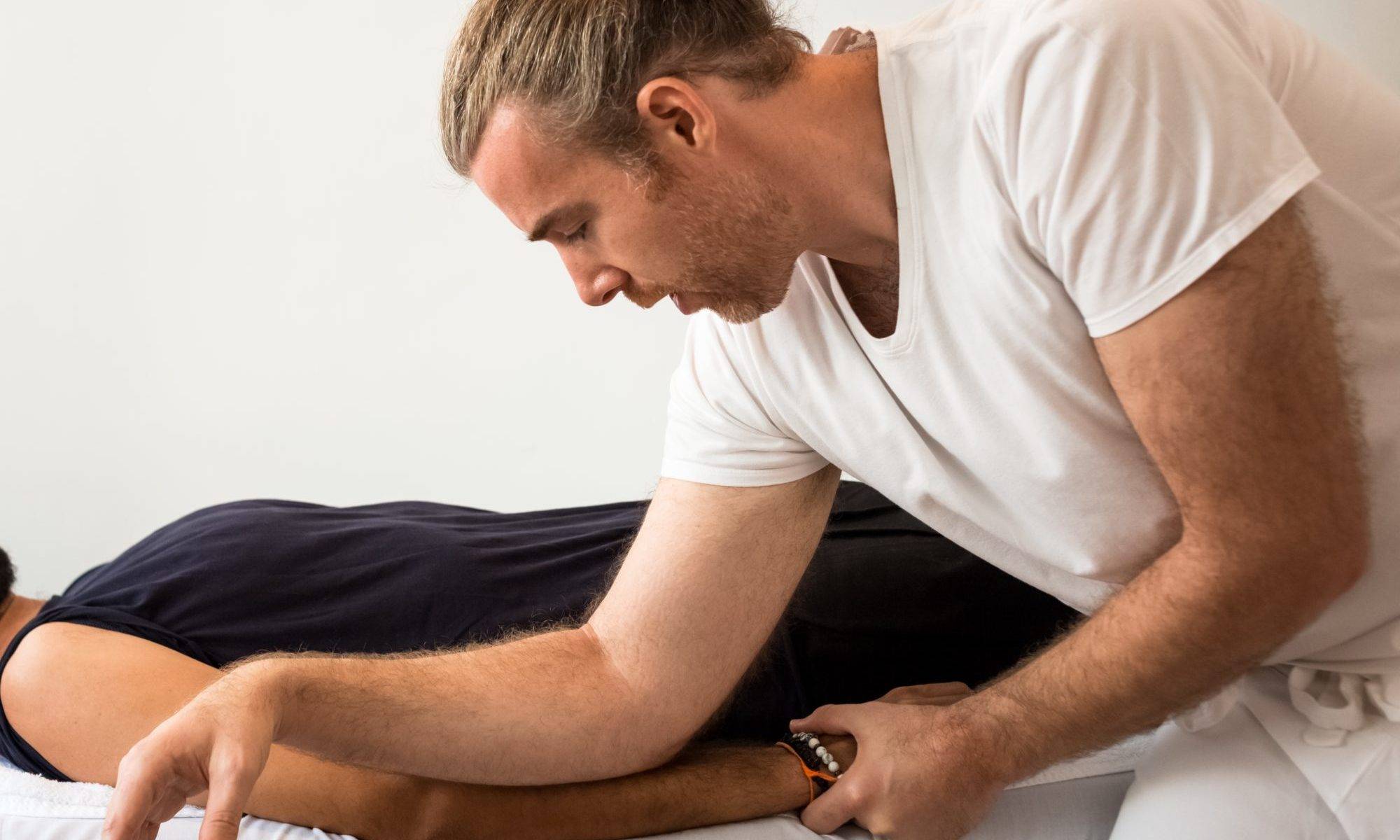
If you’ve been dealing with chronic bloating, unpredictable digestion, or gut discomfort that just won’t quit, you’ve probably tried the usual routes. Dietary changes, supplements, maybe a round of tests that came back inconclusive. For many people, those answers don’t go far enough. Visceral manipulation for digestive health offers a different starting point, one that looks at how your organs move, how your nervous system responds, and how tension stored deep in your body might be shaping how you feel every day.
At Rolfing In Boston, this work is part of a broader approach to whole-body healing. It’s not about treating a symptom in isolation. It’s about understanding why that symptom showed up in the first place.
What Is Visceral Manipulation?
Visceral manipulation is a gentle, hands-on therapy that works directly with the body’s internal organs, connective tissues, and fascial systems. The goal is to restore natural movement and function to structures that may have become restricted, compressed, or pulled out of their ideal position over time.
Your organs are not fixed in place. They move with every breath, every step, and every heartbeat. When that movement becomes restricted, whether from old injuries, surgery, stress, or inflammation, the body compensates. That compensation often shows up somewhere unexpected: tightness in the lower back, difficulty breathing deeply, or a digestive system that feels sluggish and unresponsive.
This therapy was developed by French osteopath Jean-Pierre Barral, whose research into organ mobility helped establish the relationship between internal organ function and the broader musculoskeletal system. Rather than focusing only on muscles and joints, visceral manipulation considers the whole interior landscape of the body.
At Rolfing In Boston, this approach fits naturally within a philosophy that treats the body as an interconnected system. Addressing restricted organ mobility isn’t just about your stomach or your colon. It’s about releasing compensatory patterns that affect your posture, your energy, and your sense of ease in your own body.
How Does Visceral Manipulation Support Digestive Health?
When a therapist applies gentle, targeted manual pressure to specific areas of the abdomen, they’re working to release adhesions, improve circulation, and encourage the organs to return to their natural range of motion. For people dealing with digestive discomfort, this can translate into real, noticeable changes.
Bloating that seems resistant to dietary adjustments may partly be a mechanical issue. If the intestines are restricted or crowded by surrounding fascial tension, gas and matter don’t move through the way they should. Similarly, chronic constipation can reflect poor gut motility, where the rhythmic contractions that move food through the digestive tract have become sluggish. By working directly with the tissues around these organs, visceral manipulation can help restore that natural rhythm.
Acid reflux is another area where this work may offer support. Tension around the diaphragm or a restricted esophageal hiatus can contribute to reflux patterns that persist even with medication or dietary changes. Post-surgical adhesions are also a significant factor for many people. Scar tissue from abdominal surgeries can create pulling sensations, restrict organ movement, and contribute to a range of digestive complaints that go unaddressed by conventional follow-up care.
Sessions at Rolfing In Boston are personalized and trauma-informed, which matters more than it might first seem. Many people with persistent digestive issues carry a history of stress, anxiety, or trauma that plays directly into how their gut functions. A one-size-fits-all approach rarely accounts for that.
The Gut-Brain Connection: Why Digestion Is a Whole-Body Issue
The gut and the brain are in constant communication. This relationship, known as the gut-brain axis, runs through the vagus nerve and involves the enteric nervous system, sometimes called the “second brain” because it contains over 100 million nerve cells lining the gastrointestinal tract.
When the nervous system is under chronic stress or stuck in a state of dysregulation, the gut feels it. Digestion slows, sensitivity increases, and the signals between the gut and brain become distorted. This is why IBS symptoms so often flare during stressful periods, and why unresolved trauma can show up as persistent gut discomfort even when nothing appears structurally wrong.
Holistic bodywork addresses this connection from both directions. By working with the physical tissues of the abdomen while also supporting nervous system regulation, visceral manipulation can help shift the body out of a defensive, contracted state and into one that is more open and functional. Many clients report feeling a sense of release not just in their belly, but throughout their whole body after a session.
Common Digestive Concerns Visceral Manipulation May Address
This therapy may offer support for a range of digestive concerns, including:
- IBS symptoms such as cramping, bloating, and irregular bowel habits
- Chronic constipation or sluggish gut motility
- Acid reflux and discomfort in the upper digestive tract
- Post-surgical adhesions following abdominal or pelvic procedures
- Bloating that doesn’t respond to dietary changes alone
- Digestive tension linked to chronic stress or anxiety
- Discomfort associated with inflammatory bowel conditions (as a complementary support)
- Nausea or a sense of heaviness in the abdomen without a clear medical cause
It’s worth being clear that visceral manipulation is not a medical treatment, and it doesn’t diagnose or cure conditions. What it can do is support the body’s own ability to regulate, move, and heal when restriction and tension are gently released.
What to Expect During a Visceral Manipulation Session
A session at Rolfing In Boston begins with a thorough intake conversation. Your therapist will ask about your history, your current concerns, and what you’ve already tried. This isn’t just administrative. It shapes how the entire session is approached, because no two bodies, and no two stories, are the same.
The hands-on work itself is notably gentle. You’ll remain clothed or lightly draped, lying comfortably on a treatment table. The therapist uses light, precise pressure applied to specific areas of the abdomen, pelvis, or thorax, following the body’s own cues rather than forcing movement. If you’ve heard of bodywork and imagined something intense or forceful, this is almost the opposite. The pressure used is often described as feeling like a warm, attentive hand simply listening to what the body needs.
For those with trauma histories or anxiety around touch, sessions are designed to move at your pace. There is no pressure to push through discomfort. If something feels too intense or you need a moment to breathe and reorient, that is not only accepted but encouraged. Rolfing In Boston takes a trauma-informed approach in every session, which means your sense of safety and agency in the room always comes first.
After the hands-on portion, there’s usually time to rest and integrate. Many people feel a sense of spaciousness or calm following a session. Others notice their digestion beginning to shift in the days that follow, sometimes with increased gut activity as the system recalibrates.
How Many Sessions Are Typically Needed?
This is one of the most common questions people ask, and the honest answer is that it varies. Bodywork is cumulative. Each session builds on the last, and the pace of change depends on your individual history, how long you’ve been dealing with your presenting concerns, and what else is happening in your life.
For some people, a single session provides noticeable relief and a clearer sense of what the body needs next. For others, particularly those with complex histories involving surgery, chronic stress, or long-standing digestive issues, a series of sessions may be needed before lasting change takes hold. Many clients start with a block of four to six sessions and reassess from there.
The best way to get a realistic picture of your own timeline is through an initial consultation. Your therapist at Rolfing In Boston can discuss your specific situation and help you set expectations that are grounded and honest, rather than overpromised.
How Visceral Manipulation Fits Into a Holistic Healing Plan
Visceral manipulation doesn’t have to stand alone. At Rolfing In Boston, it often works best as part of a broader approach to healing that engages multiple layers of the body and nervous system at once.
Rolfing, for example, works with the fascial system throughout the entire body, addressing structural patterns that may be contributing to how the organs are positioned and how they function. Craniosacral Therapy works with the rhythms of the cerebrospinal fluid and the central nervous system, which can directly influence gut function through the gut-brain axis. Somatic Therapy addresses the way the body holds emotional and psychological experiences, which is often at the root of stress-related digestive issues. Yoga Therapy can reinforce the gains made in sessions by building body awareness, breathwork, and movement practices that support long-term regulation.
These modalities don’t compete with each other. They complement and deepen one another’s effects. A person working on digestive health through visceral manipulation may find that their Rolfing sessions suddenly feel more effective, or that their capacity for stress resilience grows through Somatic Therapy alongside the physical work. This is what integrative care looks like in practice: not a menu of separate services, but a woven approach that addresses the body, mind, and nervous system together.
Is Visceral Manipulation Right for You?
If you’ve been managing digestive issues for a long time and the conventional routes haven’t given you lasting relief, visceral manipulation may be worth exploring. This is especially true if your gut symptoms tend to worsen with stress, if you have a history of abdominal surgery, or if you sense that your digestion is connected to something deeper than just what you’re eating.
The people who tend to find the most value in this work are those who are open to a whole-body approach, who are willing to slow down and pay attention to what their body is communicating, and who are ready to move beyond symptom management toward something more lasting. Those who feel let down by traditional medicine often find that this kind of care offers not just physical relief, but a different relationship with their own body altogether.
At Rolfing In Boston, the first step is a conversation. Whether you’re curious about visceral manipulation for digestive health specifically, or you’re looking for a more comprehensive approach to your overall well-being, the team is here to help you figure out what makes sense for your unique situation. Reach out to learn more or to book your first session.
Frequently Asked Questions
What is the difference between visceral manipulation and abdominal massage?
Abdominal massage generally refers to broader, surface-level massage techniques applied to the belly, often for relaxation or general circulation. Visceral manipulation is a more specific, clinically trained modality that works with the organs themselves, targeting their mobility, their fascial attachments, and their relationship to the nervous system. The pressure used is lighter and more precise, and the intention is different: it’s not about rubbing muscles but about encouraging specific internal structures to regain their natural range of motion.
Is visceral manipulation safe for people with a history of abdominal surgery?
For many people, yes. Post-surgical adhesions are actually one of the most common reasons people seek out visceral manipulation. Scar tissue from surgeries like appendectomies, C-sections, or bowel procedures can create restrictions that linger for years. That said, your therapist will always take a full history before working with you, and there are certain recent surgical situations or active medical conditions where the timing would need to be carefully considered. When in doubt, a consultation is the right first step.
Can visceral manipulation help with stress-related digestive issues?
Yes, this is one of the strongest applications of the therapy. Because visceral manipulation works with both the physical tissues and the nervous system, it can be genuinely helpful for people whose gut symptoms are driven or worsened by chronic stress, anxiety, or unresolved trauma. The gut-brain axis is a real and well-researched pathway, and working with the body directly can help shift the nervous system out of the reactive, contracted state that disrupts healthy digestion.
How is a visceral manipulation session at Rolfing In Boston different from other providers?
Rolfing In Boston integrates visceral manipulation within a broader trauma-informed, whole-body framework. Sessions are personalized to your history and goals, and the work is often woven together with other modalities like Rolfing, Craniosacral Therapy, and Somatic Therapy when appropriate. The approach here isn’t to apply a fixed protocol but to respond to what your body is actually presenting in each session.
Does visceral manipulation hurt?
No, not typically. The techniques used are gentle and light. You may feel some areas of sensitivity when pressure is applied to restricted tissues, but the work should not be painful. Therapists at Rolfing In Boston pay close attention to your comfort throughout the session and adjust accordingly. If anything feels too intense, you are always encouraged to say so.
How soon can I expect to notice changes in my digestion after a session?
It varies. Some people notice a shift within the first day or two following a session, often in the form of increased gut activity, reduced bloating, or a general sense of ease in the belly. For others, change builds more gradually across a series of sessions. The body needs time to integrate what was addressed, so the days immediately after a session are part of the process, not separate from it.
Can visceral manipulation be done remotely or is it only available in person?
Visceral manipulation itself is a hands-on therapy and requires in-person contact. If you’re based in the Boston area, sessions are available at Rolfing In Boston’s location. For those who are not local, some of the complementary modalities offered, such as Somatic Therapy or Yoga Therapy, may be available in online formats. Reaching out directly is the best way to understand what options might work for your situation.
Meta Title: Visceral Manipulation for Digestive Health | Boston
Meta Description: Learn how visceral manipulation for digestive health works, what to expect in a session, and how Rolfing In Boston supports whole-body gut healing.
Suggested Alt Text for Featured Image: Therapist performing gentle visceral manipulation on a client’s abdomen during a holistic bodywork session in Boston.