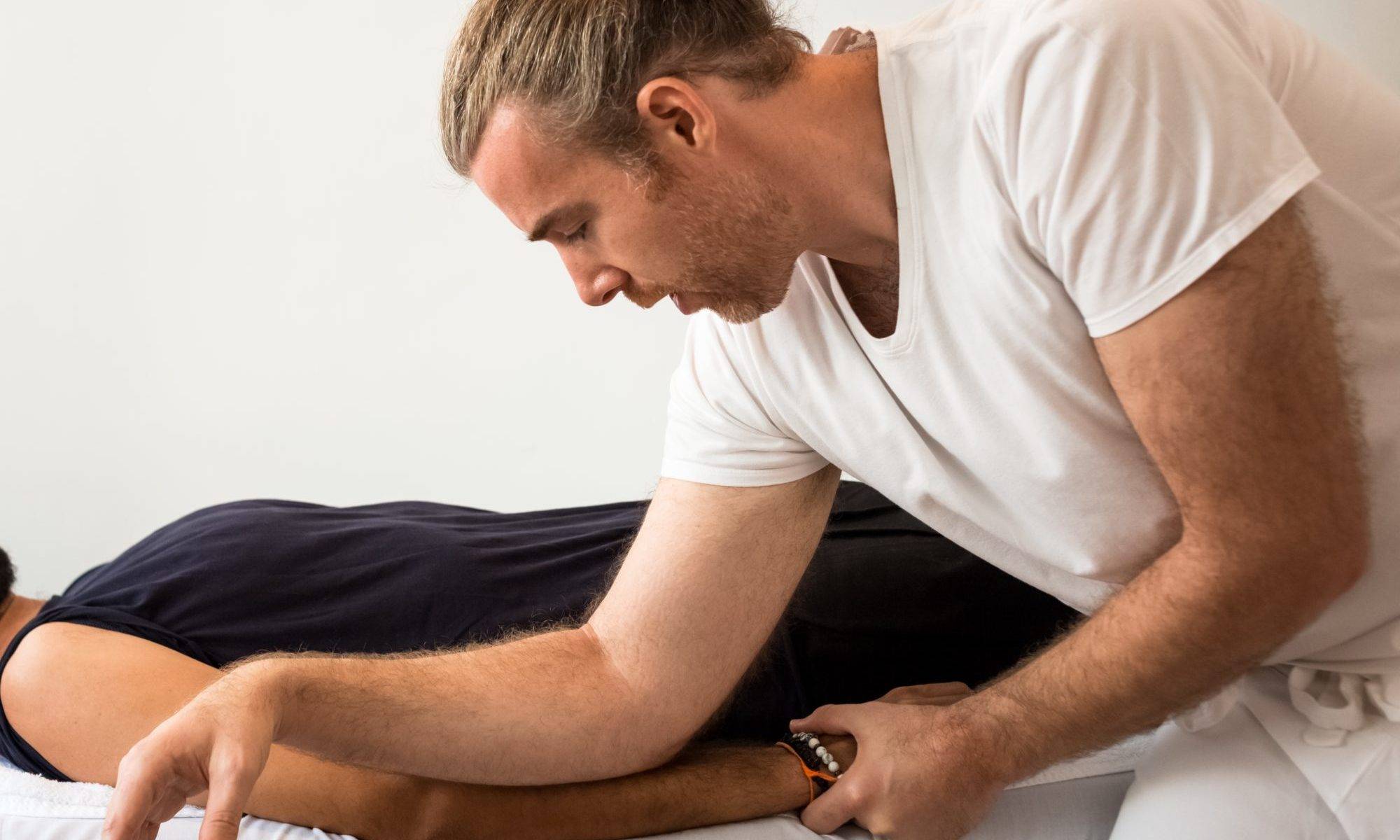
Chronic pain affects roughly 20% of U.S. adults, according to the Centers for Disease Control and Prevention. For many of those people, the pain is not simply physical. It lives in the nervous system, in connective tissue, and sometimes in unresolved experiences the body has never had a chance to fully process. If you have tried the conventional route and still live with daily discomfort, holistic bodywork for chronic pain may offer the kind of relief you have been looking for. At Rolfing In Boston, we work with the whole person, not just the symptom, using approaches that address what standard treatments often miss.
Why Conventional Treatments Often Fall Short for Chronic Pain
Many people dealing with chronic pain spend years cycling through the same options: pain medication, physical therapy, cortisone injections, or in some cases, surgery. These approaches can provide short-term relief and are sometimes necessary, but they frequently fail to address why the pain keeps coming back. When pain becomes chronic, meaning it persists beyond the expected healing window, something deeper is usually driving it.
Research increasingly shows that chronic pain is often rooted in the nervous system rather than in tissue damage alone. The nervous system can become sensitized over time, continuing to generate pain signals even when the original injury has healed. Connective tissue restrictions, postural patterns, and even unresolved emotional stress can keep the body locked in a pain cycle that standard treatments simply were not designed to break.
This is not a failure of the person in pain. It is a gap in how conventional medicine tends to treat the body as a collection of separate parts rather than an integrated system. When you treat only the site of pain without looking at the whole pattern, lasting relief stays just out of reach.
What Is Holistic Bodywork and How Does It Address the Root Cause?
Holistic bodywork is an approach to healing that engages the body, mind, and nervous system together. Rather than targeting a single symptom or body part, it looks at how everything is connected and works to restore balance across that whole system. The goal is not just pain reduction but a genuine shift in how the body holds itself and responds to stress.
At Rolfing In Boston, holistic bodywork takes several forms, including Rolfing Structural Integration, Craniosacral Therapy, Somatic Therapy, and Visceral Manipulation. Each modality works in its own way, but they all share a common foundation: the belief that the body has the capacity to heal when the right conditions are created. Sessions are gentle, trauma-informed, and shaped around each person’s unique patterns and nervous system capacity.
How Does Rolfing Structural Integration Relieve Deep Tension?
Rolfing Structural Integration works directly with the fascia, the web of connective tissue that surrounds and connects every muscle, bone, and organ in the body. Over time, physical injuries, repetitive movement patterns, emotional stress, and poor posture can create restrictions within this fascial network. These restrictions pull the body out of alignment and generate the kind of deep, chronic tension that is hard to shake.
A Rolfing practitioner uses slow, deliberate manual techniques to soften and reorganize these restrictions. As the fascia releases, the body can realign itself more naturally, which often reduces chronic discomfort, improves posture, and opens up a greater range of movement. Many clients describe a sense of lightness and ease in their body after sessions, often in areas they had stopped expecting relief from. Rolfing for chronic pain relief works because it addresses the structural patterns underneath the pain, not just the pain itself.
What Role Does the Nervous System Play in Chronic Pain?
The nervous system acts as the body’s alarm system. When it functions well, it accurately registers threat and returns to calm once the threat has passed. But in people living with chronic pain, this system can become stuck in a state of high alert. This is called nervous system sensitization, and it means the body keeps producing pain signals even in the absence of active injury.
This is why two people with the same physical issue can have very different pain experiences. The nervous system is always interpreting context, history, and emotional state alongside physical input. Craniosacral Therapy works with the subtle rhythms of the cerebrospinal fluid to calm the central nervous system and restore a sense of safety in the body. Somatic Therapy supports this process by helping the nervous system discharge stored stress and trauma responses that may be feeding the pain cycle. Together, these approaches offer a path toward genuine nervous system regulation, which is often the missing piece in chronic pain recovery.
Therapy Modalities Available at Rolfing In Boston
Rolfing In Boston offers a carefully chosen range of bodywork modalities, each selected for its ability to address the deeper drivers of chronic pain. Whether your pain has structural, neurological, or emotional roots, there is an approach here designed to meet you where you are. Sessions are always personalized, gentle, and led by a practitioner committed to creating a safe environment for real change.
The primary modalities available include Rolfing Structural Integration, Craniosacral Therapy, Somatic Therapy, Visceral Manipulation, and Yoga Therapy. These are not used in a one-size-fits-all way. Each session begins with a thoughtful intake process, and the work is shaped around what your body and nervous system are ready for that day. This level of individualized attention is what makes the approach at Rolfing In Boston different from more standardized treatment settings.
Visceral Manipulation: Releasing Pain Held in the Organs
Visceral manipulation is a gentle manual therapy that addresses restrictions in the connective tissue surrounding the internal organs. Most people are surprised to learn that organs can be a source of referred pain, but this connection is well-supported in osteopathic and manual therapy traditions. When an organ loses its natural mobility due to inflammation, surgery, injury, or stress, the tension it creates can radiate outward into the back, hips, shoulders, and beyond.
This means that chronic low back pain, for example, might be partially driven by restrictions around the kidneys or intestines. Hip pain may have roots in pelvic organ tension. Visceral manipulation for pain relief works by gently restoring movement and ease to these organ systems, which reduces referred tension in the musculoskeletal body. It is a subtle but powerful tool, particularly useful for people whose pain has not responded to more conventional structural approaches.
Somatic Therapy: When Pain Has an Emotional Origin
The body keeps a record of everything it has been through. Unresolved trauma, chronic stress, and long-suppressed emotions do not simply disappear. They get stored in the nervous system and the tissues, often showing up as physical symptoms including pain, tension, fatigue, and restricted breathing. This is the foundation of somatic therapy and chronic pain work.
Somatic Therapy at Rolfing In Boston creates a safe, body-centered space to bring awareness to these held patterns and, with time and support, to release them. This is not talk therapy. The work happens at the level of body sensation, breath, and nervous system response. Clients learn to notice what they are actually feeling in their body rather than thinking about their pain from a distance, and this shift in attention is often where healing begins. For people whose chronic pain has a strong stress or trauma component, somatic work can be genuinely life-changing.
Who Can Benefit from Holistic Bodywork for Chronic Pain?
Holistic bodywork is a good fit for a wide range of people, particularly those who feel that conventional treatments have not gotten to the root of their pain. People with fibromyalgia often find significant relief through a combination of fascial release and nervous system work, as both the tissue and the alarm system seem to be involved in that condition. Those dealing with chronic back pain, persistent tension headaches, TMJ, and hip or pelvic pain frequently benefit from the structural and visceral components of the work.
Post-surgical discomfort is another area where integrative bodywork in Boston can make a real difference. Scar tissue, fascial adhesions, and the body’s protective guarding responses after surgery often persist long after the surgical site has healed. Trauma-related pain, whether from a physical accident or adverse life experiences, responds particularly well to trauma-informed bodywork in Boston because the approach respects the nervous system’s pace and never forces the body into territory it is not ready for.
Sessions are always shaped around the individual. Some people arrive at Rolfing In Boston with a clear diagnosis and a list of things they have already tried. Others come with a vague sense that something in their body is not right, even if no one has been able to name it. Both are welcome here. The work meets you where you are.
What to Expect in a Session at Rolfing In Boston
A first session at Rolfing In Boston begins with an intake conversation. Your practitioner will take time to understand your history, your pain patterns, what you have tried before, and what you are hoping to experience. This is not a rushed intake form. It is a genuine conversation that helps shape the work.
The hands-on portion of the session is guided by what comes up during that conversation and by what the practitioner notices in your body’s patterns and responses. Work may involve the fascia, the craniosacral system, the visceral body, or the nervous system depending on what is most relevant to your situation. Throughout the session, you are invited to notice and communicate what you are experiencing. This is collaborative work, not something done to you.
After the session, there is often an integration period where changes begin to settle into the body. Some people feel lighter and more open immediately. Others notice shifts over the following days as the body processes the work. Either way, you are encouraged to stay curious about what you notice, and your practitioner may offer simple movement or awareness practices to support the integration between sessions.
In-Person and Online Services: Accessible Healing Wherever You Are
Rolfing In Boston offers both in-person sessions at our Boston location and online services for those who cannot make it in person. Holistic pain relief in Boston is fully accessible for local clients, and the online option extends that access to anyone, regardless of location.
Online sessions are particularly well-suited for somatic awareness work, nervous system education, movement guidance, and therapeutic conversation. While some of the hands-on modalities like Rolfing and Craniosacral Therapy require in-person contact, a significant amount of meaningful work can happen online. Many clients use online sessions between in-person visits to continue their progress, develop body awareness practices, and stay connected to the work. Whether you are across the city or across the country, support is available.
Frequently Asked Questions
What types of chronic pain can holistic bodywork help with?
Holistic bodywork can help with a wide range of chronic pain conditions including back pain, neck and shoulder tension, fibromyalgia, tension headaches, TMJ, hip and pelvic pain, post-surgical discomfort, and trauma-related pain. It is particularly effective when conventional treatments have not produced lasting results because it addresses structural, neurological, and emotional contributors to pain.
How many sessions does it typically take to notice relief from chronic pain?
Many clients notice meaningful shifts within the first three to five sessions, though this varies depending on the nature and duration of the pain pattern. Longer-standing or more complex pain conditions typically require a series of sessions to achieve lasting change. Your practitioner will discuss realistic expectations during your intake and check in regularly about your progress.
Is holistic bodywork safe for people with trauma or high nervous system sensitivity?
Yes. All sessions at Rolfing In Boston are trauma-informed, meaning the work is always adapted to your nervous system’s current capacity. The approach is gentle, collaborative, and never forceful. If you have a history of trauma or a highly sensitive nervous system, this is communicated during intake so your practitioner can adjust accordingly and create the safest possible environment for the work.
Can I combine Rolfing with other treatments I am already receiving?
In most cases, yes. Rolfing Structural Integration, Craniosacral Therapy, and Somatic Therapy can complement physical therapy, chiropractic care, acupuncture, and other wellness approaches. It is always a good idea to let your practitioner know what other treatments you are receiving so the work can be coordinated thoughtfully.
What is the difference between Rolfing and massage therapy for chronic pain?
Massage therapy primarily works with muscles to relieve surface tension and promote relaxation. Rolfing Structural Integration works with the fascia, the deeper connective tissue network, with the specific goal of reorganizing structural patterns in the body. Rolfing also takes a whole-body, series-based approach rather than treating isolated areas session by session. For chronic pain that has structural or postural roots, Rolfing tends to produce more lasting change.
Do you offer online sessions for people who cannot come to Boston in person?
Yes. Rolfing In Boston offers online sessions that are well-suited for somatic awareness practices, nervous system regulation support, movement guidance, and therapeutic conversation. While hands-on modalities require in-person visits, online sessions provide meaningful support and can be used independently or alongside in-person work.
How does Rolfing In Boston tailor sessions to individual pain patterns?
Every session begins with a thorough intake conversation that explores your history, pain patterns, and what you are hoping to achieve. From there, your practitioner draws on the full range of available modalities and shapes the session around what your body and nervous system need that day. There is no fixed protocol. The work is always responsive to the individual, which is a core part of what makes it effective for complex or long-standing chronic pain.