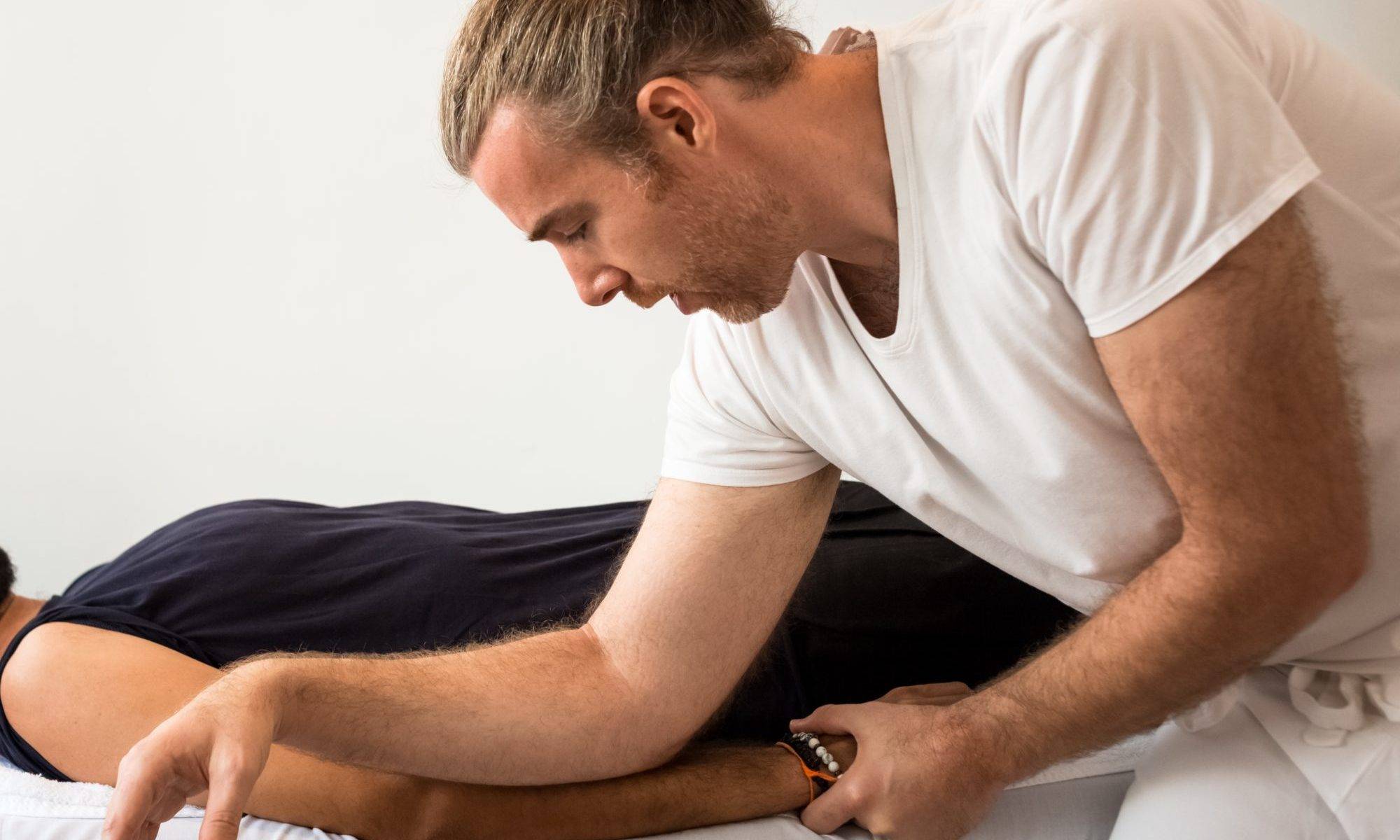
Recovering from a concussion is rarely as straightforward as resting for a week and returning to normal life. Many people find themselves weeks or even months past their injury, still dealing with brain fog, persistent headaches, fatigue, and a nervous system that feels permanently switched on. If that sounds familiar, you are not alone, and you are not imagining it. Concussion recovery bodywork offers a different path forward for people who feel stuck despite doing everything their doctor recommended. At Rolfing In Boston, we work with clients who are ready to look beyond standard protocols and explore what the body still needs to heal.
Why Conventional Concussion Treatment Often Falls Short
Standard concussion care typically focuses on cognitive rest, medication for headaches, and a gradual return to activity. For many people, this approach works well enough in the short term. But for a significant portion of concussion patients, symptoms do not simply resolve on their own schedule. Post-concussion syndrome, where symptoms persist beyond three months, affects roughly 10 to 15 percent of concussion patients according to research published by the Centers for Disease Control and Prevention.
Conventional treatment tends to focus on the brain as an isolated organ, monitoring for structural damage and managing individual symptoms as they arise. What it often misses is the broader picture: how the entire body responds to a head injury, how the nervous system shifts into a protective mode that it struggles to exit, and how unresolved physical tension keeps the body in a state of low-grade stress. People with lingering fatigue, sensitivity to light and sound, mood changes, and difficulty concentrating are often told their scans look normal, which can feel isolating and confusing.
Holistic concussion treatment in Boston is worth exploring precisely because it asks a different question. Instead of asking what is broken, it asks what the body is still holding onto and what it needs to let go. That shift in perspective opens up a range of therapeutic possibilities that standard medicine rarely considers.
What Happens in the Body and Nervous System After a Concussion?
A concussion is not just a brain event. It is a full-body event. When the head experiences sudden impact or acceleration, the effects ripple outward through the fascia, the nervous system, and even the fluid dynamics surrounding the brain and spinal cord. Understanding this helps explain why so many people continue to experience symptoms long after the initial injury.
The fascia is a continuous web of connective tissue that runs throughout the entire body, from the soles of the feet to the base of the skull. A head injury can create tension patterns within this web, particularly around the neck, shoulders, and cranial structures. These patterns do not always resolve on their own, and they can restrict movement, compress nerves, and interfere with normal circulation.
The autonomic nervous system, which governs the body’s stress and rest responses, is particularly vulnerable after a concussion. Many people shift into a chronic state of sympathetic activation, meaning their fight-or-flight response stays switched on even in safe, calm environments. This explains the hypervigilance, sensory sensitivity, sleep disruption, and anxiety that are so common in post-concussion syndrome. Nervous system regulation after concussion is not just helpful. It is often essential to full recovery.
Cerebrospinal fluid, which bathes and protects the brain and spinal cord, can also be affected. Disruptions to the normal rhythm and flow of this fluid may contribute to symptoms like brain fog, pressure headaches, and cognitive sluggishness. Therapies that address this fluid system directly offer a targeted and gentle way to support healing at a foundational level.
How Rolfing Addresses Post-Concussion Tension Patterns
Rolfing for head injury recovery works by engaging the connective tissue system to release patterns of tension and restriction that form in response to trauma. Rather than focusing on one isolated area, Rolfing looks at the body as a whole and works to restore structural balance and ease of movement throughout.
After a concussion, the body often braces. The neck tightens, the shoulders pull inward, and the muscles around the skull remain contracted in a protective response that made sense at the moment of injury but becomes counterproductive over time. Rolfing works directly with these tissue patterns, using slow, intentional pressure to encourage the fascia to soften and reorganize. The goal is not just symptom relief. It is restoring the body’s natural capacity to regulate itself.
At Rolfing In Boston, sessions for concussion recovery are approached with particular care and gentleness. There is no one-size-fits-all protocol. Each session is shaped around what the client’s body is showing that day, how the nervous system is responding, and what feels safe and productive. This personalized approach is especially important for post-concussion clients, whose nervous systems are often still in a heightened state of sensitivity.
What to Expect in a Rolfing Session for Concussion Recovery
If you have never experienced Rolfing before, the idea of bodywork after a head injury might feel uncertain or even a little daunting. It helps to know what a session actually involves so you can arrive with a clearer sense of what to expect.
A session typically begins with a short conversation about how you have been feeling, what symptoms are most present, and any changes since your last visit. Your practitioner will observe how you sit, stand, and move to gather information about the tension patterns your body is holding. The hands-on work that follows involves slow, deliberate contact with specific areas of connective tissue, often around the neck, base of the skull, shoulders, and spine, depending on what your body needs.
The pressure used is generally light to moderate, never aggressive or forceful. Many clients describe the sensation as a slow release or a sense of something letting go. You remain fully clothed or in comfortable undergarments, and you are always in control of the pace and depth of the work. For concussion clients especially, sessions are designed to feel safe, grounded, and calm, with the nervous system’s comfort treated as the highest priority throughout.
The Role of Craniosacral Therapy in Concussion Healing
Craniosacral Therapy is one of the most directly relevant modalities for concussion recovery, and for good reason. This gentle, non-invasive technique works specifically with the craniosacral system, which includes the membranes and cerebrospinal fluid that surround and protect the brain and spinal cord. By placing light hands on the skull, spine, and sacrum, a trained therapist can detect subtle rhythms in the fluid system and use gentle techniques to release restrictions and restore normal flow.
The connection between Craniosacral Therapy and concussion is supported by the recognized relationship between cerebrospinal fluid dynamics and neurological health. Research from institutions including Harvard Medical School has highlighted the importance of glymphatic and cerebrospinal fluid clearance in brain recovery. When this system is disrupted by injury, symptoms like brain fog, headaches, and cognitive difficulty can persist. Craniosacral Therapy for concussion addresses this at the source.
For people navigating post-concussion syndrome, the non-invasive quality of this work is particularly valuable. There is no manipulation, no pressure, and no need to push through discomfort. The body is invited to release, not forced. This makes it one of the most appropriate and well-tolerated approaches for sensitive post-concussion nervous systems.
How Craniosacral Therapy Calms an Overstimulated Nervous System
One of the most consistent experiences people report after Craniosacral Therapy is a profound sense of calm. This is not accidental. The therapy directly engages the parasympathetic nervous system, the rest-and-digest branch that is responsible for recovery, repair, and emotional regulation.
After a concussion, many people find that their nervous system gets stuck in a state of high alert. Sounds feel too loud, lights feel too bright, and ordinary stress feels unmanageable. This hypervigilance is a sign that the autonomic nervous system has not yet returned to a balanced baseline. Craniosacral Therapy works with the body’s own regulatory intelligence to gently shift the nervous system out of this state.
Sessions often produce a deeply relaxed, meditative quality that many clients describe as the first real rest they have had since their injury. Over a course of sessions, this cumulative effect can reduce sensory sensitivity, improve sleep, ease emotional reactivity, and support the broader process of post-concussion nervous system support.
Visceral Manipulation and Its Connection to Head Injury Recovery
Visceral Manipulation is an approach that many people outside the bodywork world have not heard of, but for post-concussion clients with persistent symptoms, it can be a surprisingly important piece of the recovery puzzle. This technique works with the soft tissues surrounding the internal organs, addressing tension patterns and restricted movement within the body’s trunk and abdominal cavity.
The connection to head injury recovery lies in the fascial and nervous system pathways that link the viscera to the rest of the body, including the head and neck. The vagus nerve, which plays a central role in nervous system regulation and stress response, travels through the thorax and abdomen, connecting the brain to the gut, heart, and lungs. Tension held in these areas can directly interfere with vagal tone and autonomic regulation, perpetuating the same cycle of dysregulation that drives post-concussion symptoms.
Visceral Manipulation concussion work looks at where the body is guarding, compensating, and restricting movement in the torso, and gently encourages these structures to release. For some clients, addressing visceral tension is the missing link that allows other therapies to work more effectively. It is not a standalone solution, but as part of a broader bodywork approach, it can make a meaningful difference.
Somatic Therapy for Emotional and Cognitive Effects of Concussion
A concussion does not only affect how the body feels. It affects how a person feels about themselves, their identity, their relationships, and their future. The emotional and cognitive impact of concussion is one of the most underaddressed aspects of recovery. Anxiety, depression, irritability, difficulty concentrating, and a sense of not quite being yourself anymore are all common, yet rarely addressed in a standard medical setting.
Somatic therapy concussion approaches recognize that the experience of injury is stored not just in the mind but in the body itself. When the nervous system experiences a threat, it responds with physical activation, and if that activation is not fully processed, it can remain embedded in the tissues as a kind of unresolved charge. This is part of why people with concussions sometimes find themselves feeling anxious or on edge even in situations that present no logical threat.
Somatic approaches used at Rolfing In Boston help clients gently reconnect with their physical sensations, build a felt sense of safety in the body, and process the experience of injury in a way that talk therapy alone cannot always reach. This work respects the pace and readiness of each client, never pushing for insight or resolution before the nervous system is ready. For many concussion clients, this is the work that finally helps them feel like themselves again.
What Makes a Bodywork Approach Trauma-Informed?
Trauma-informed care is a framework that recognizes how overwhelming experiences, including injury, shape the nervous system and the way a person experiences touch, safety, and support. In the context of concussion recovery, trauma-informed bodywork means that the practitioner never assumes what the client can tolerate, always follows the client’s lead, and consistently prioritizes felt safety over clinical efficiency.
In practice, this looks like taking time at the start of each session to check in genuinely. It means explaining what you are about to do before doing it. It means reading the body’s responses as carefully as you listen to the client’s words, and adjusting the work accordingly when the nervous system signals that it needs more space or a slower pace.
At Rolfing In Boston, trauma-informed care is not an add-on. It is woven into every session as a foundational principle. This is especially significant for concussion clients, many of whom have experienced medical encounters that felt rushed, dismissive, or physically uncomfortable. A session where you feel genuinely seen, heard, and respected can itself be a healing experience, independent of any technique applied.
Is Bodywork Right for Your Concussion Recovery Journey?
If you are still experiencing symptoms months after your concussion, if conventional treatments have not brought the relief you were hoping for, or if you simply feel that something is still not right in your body, holistic concussion treatment in Boston may be worth exploring seriously. Concussion recovery bodywork is not a replacement for medical care, but it offers something that medical care often cannot: a whole-body, nervous-system-centered approach that meets you where you actually are.
The right combination of modalities varies from person to person. Some clients find that Craniosacral Therapy alone shifts everything for them. Others benefit most from a combination of Rolfing, somatic work, and Visceral Manipulation. The only way to know what your body needs is to start the conversation and explore it together.
Rolfing In Boston offers personalized consultations for people navigating post-concussion syndrome and related challenges. Whether your symptoms are primarily physical, cognitive, or emotional, there is a path through bodywork that is designed around you, not around a generic protocol. Reaching out for a consultation is a simple first step toward understanding what is possible for your recovery.
Frequently Asked Questions
What type of bodywork is most effective for concussion recovery?
There is no single answer, as the most effective approach depends on which symptoms are most present and how the individual’s nervous system is responding. Craniosacral Therapy is widely used because it works directly with the fluid system surrounding the brain. Rolfing addresses structural and fascial tension patterns. Somatic therapy helps process the emotional and cognitive effects of injury. Many people benefit from a combination of these modalities, which is why a personalized consultation matters more than choosing one technique in isolation.
How soon after a concussion can I start bodywork therapy?
The timing depends on the severity of the injury and how acute the symptoms are. In the early days after a concussion, rest is typically the priority, and the nervous system may be too sensitive for hands-on work. Most practitioners recommend waiting until the acute phase has passed, usually after a few weeks, before beginning bodywork. That said, gentle therapies like Craniosacral Therapy can often be introduced earlier than more structural work like Rolfing. A consultation with your practitioner and communication with your medical team is the safest way to determine appropriate timing.
Can Craniosacral Therapy help with post-concussion headaches and brain fog?
Yes. Craniosacral Therapy is particularly well-suited for these symptoms because it works directly with the cerebrospinal fluid system and the membranes around the brain. Restrictions in this system are directly linked to the pressure headaches and cognitive cloudiness that many post-concussion patients experience. By gently releasing these restrictions, Craniosacral Therapy can reduce headache frequency and intensity and help restore mental clarity over time. Many clients in Boston report noticeable improvement in both brain fog and headaches after a series of sessions.
How many sessions does it typically take to notice improvement?
This varies considerably depending on how long symptoms have been present, the nature of the injury, and how the individual’s body responds to treatment. Some clients notice a meaningful shift after two or three sessions. For others, especially those with long-standing post-concussion syndrome, a longer course of work is needed to address layered patterns of tension and dysregulation. A realistic expectation for most clients is that noticeable changes begin to appear within four to six sessions, with deeper and more lasting results building over time.
Is Rolfing safe if I am still experiencing concussion symptoms?
Rolfing can be safely adapted for clients who are still symptomatic, provided the practitioner is experienced in working with post-concussion and trauma presentations. At Rolfing In Boston, sessions are always adjusted to match what the nervous system can handle on a given day. Work around the head and neck is approached with particular care, and sessions may be shorter or more gentle than a standard Rolfing series. The guiding principle is that the work should feel supportive, never overwhelming.
Can bodywork help with the emotional effects of a concussion, such as anxiety or depression?
Yes. Somatic therapy, in particular, is designed to address exactly these effects. A concussion disrupts more than the brain’s physical structures. It can shake a person’s sense of self and leave the nervous system in a prolonged state of stress that manifests as anxiety, mood instability, and emotional exhaustion. Bodywork approaches that engage the nervous system and support parasympathetic activation can help restore emotional equilibrium. Combined with somatic therapy techniques that support the processing of the injury experience, bodywork can be a meaningful part of mental and emotional recovery.
What is the difference between Rolfing and Craniosacral Therapy for concussion recovery?
Rolfing focuses on the fascial and connective tissue system throughout the whole body, addressing structural imbalances and tension patterns that form in response to injury. It tends to involve more active engagement with the body’s tissues and is particularly effective for physical symptoms like neck tension, postural imbalance, and restricted movement. Craniosacral Therapy is extremely light-touch and works specifically with the fluid and membrane system surrounding the brain and spinal cord. It is especially effective for neurological symptoms like headaches, brain fog, and sensory sensitivity. Both approaches are complementary, and many concussion clients benefit from combining them across a course of treatment.